
The sustainability challenge is that the "greenest" pallet isn't automatically the newest one, the cheapest one, or the highest grade on the shelf. Sustainability depends on fit for the load, how many times a pallet can circulate before it's spent, what happens to it afterward, and whether your supplier can actually prove its practices.
This guide walks through a practical evaluation framework: sourcing, design, reuse, repair, recycling, logistics, documentation, and supplier accountability. A NWPCA-backed study found that 95% of wood pallets entering the waste stream in 2016 were recovered or recycled rather than landfilled. That recovery rate doesn't happen by accident. It happens because procurement teams build it into their decisions from the start.
Key Takeaways
- Evaluate full lifecycle cost, not just purchase price, from sourcing through reuse and final disposition
- Specify pallets for the actual load and handling environment to avoid underbuilt failures or overbuilt waste
- Prioritize repair, reuse, and recovery before replacing a program or switching materials entirely
- Request evidence-based sourcing and recovery data from suppliers, not vague marketing claims
What to Evaluate When Procuring Wood Pallets
Sustainable procurement starts with the use case, not the catalog. Before specifying a pallet, evaluate:
- Product weight and dimensions
- Load distribution and rackability
- Forklift entry requirements and conveyor compatibility
- Stacking height and moisture exposure
- Sanitation needs and shipment routes
- Handling frequency
Right-Sizing Without Guessing
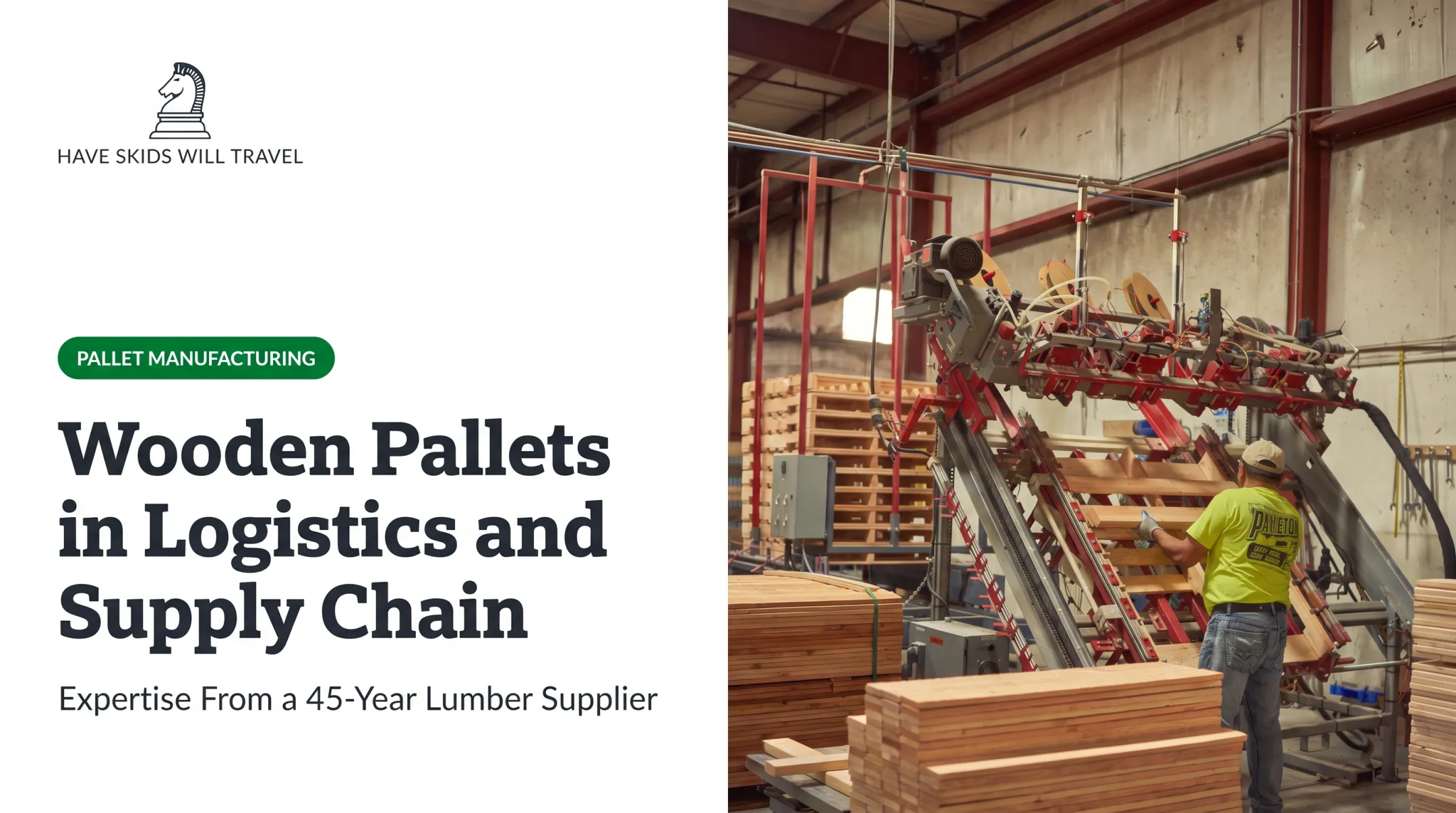
Overbuilt pallets waste lumber and raise freight weight. Underbuilt pallets fail, damage product, and create workplace hazards. Palleton's custom pallet process reviews product dimensions, load weight, and handling method, then uses engineering and design tools to right-size materials and minimize both damage and over-building.
Comparing Pallet Options
No single pallet type is universally the most sustainable choice. Fit matters more than category:
| Pallet Type | Sustainability Consideration |
|---|---|
| New hardwood/softwood | Full control over wood quality; higher raw material draw |
| Combo (new + recycled) | Balances durability with reduced virgin material use |
| 100% recycled | Diverts usable wood from landfill; grade matters for service life |
| Custom | Reduces over-building and damage for specific loads or automation |
Palleton offers all four options across multiple grades, so the specification matches both the application and the budget.
Lifecycle Cost, Not Just Purchase Price
A low upfront price can hide higher total cost. Factor in:
- Product damage from pallet failure
- Repair frequency and labor
- Replacement cycles
- Storage and retrieval space
- Disposal fees
- Transportation weight and handling
A $7 recycled pallet that fails mid-shipment can cost far more in damaged product and downtime than a $12 custom-built one that performs reliably through dozens of cycles.

Metrics Worth Tracking
Track these numbers to see whether a program is actually working, not just whether invoices look favorable this quarter:
- Failure rate and repair rate
- Average use cycles
- Loss rate and recovery rate
- Damage incidents
- Total cost per shipment
A pallet that fails, damages goods, or creates a workplace hazard erases whatever environmental gains it claimed to offer.
Responsible Sourcing and Pallet Design
"Eco-friendly" and "sustainable" are marketing words, not credentials. Procurement teams need to ask more specific questions before trusting a claim.
Questions to Ask Suppliers
- Where does the lumber originate, and under what forest-management practices?
- What percentage of the order is recycled content, and how is that verified?
- Can the supplier provide chain-of-custody documentation tied to this specific order?
- Does a recognized certification system, such as FSC, SFI, or PEFC, cover the material?
Broad environmental language means little without documentation behind it. If a supplier can't point to a specific chain-of-custody record or certificate number, treat the claim as unverified rather than assuming it applies.
Design Choices That Cut Waste
Board thickness, stringer or block configuration, fastener selection, and load capacity all affect how much material a pallet uses and how repairable it is down the line. A pallet designed for easy board replacement stays in circulation longer than one that has to be scrapped the first time a deck board cracks.
Where ISPM-15 Fits In
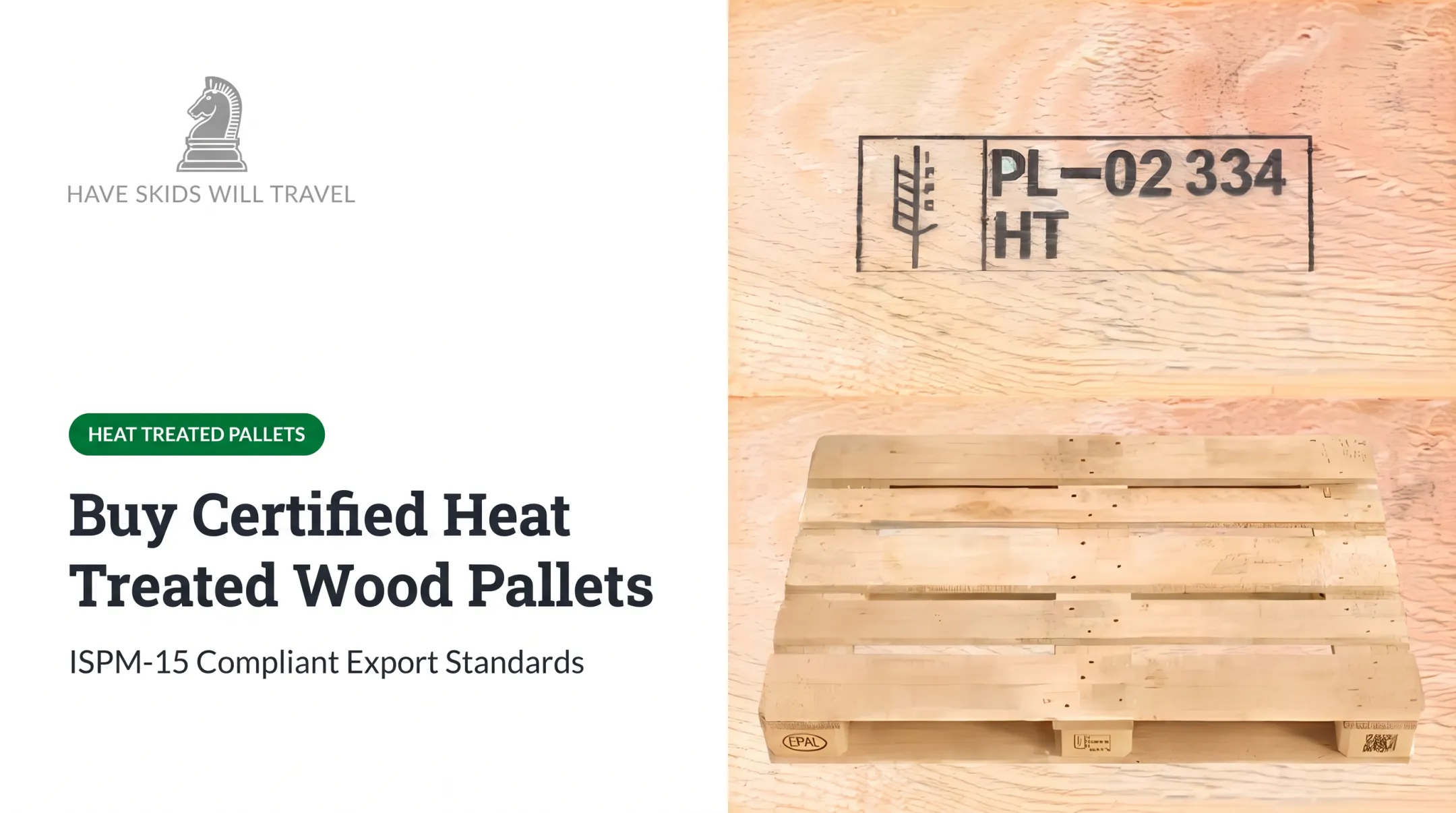
ISPM-15 heat treatment is a phytosanitary requirement for international shipping, not a broader environmental certification. It governs pest control in solid wood packaging crossing borders, separate from forest-origin claims entirely.
Palleton is ISPM-15 heat-treat certified for pallets and crates, heat-treating units to a minimum core temperature of 140°F for at least 30 minutes, which meets and exceeds the underlying ISPM-15 benchmark. Heat-treated units remain compliant for their service life as long as they stay structurally sound and unmodified.
How to Extend Pallet Life and Manage End of Life
The most sustainable pallet is one that doesn't need replacing. EPA's waste management hierarchy prioritizes source reduction and reuse ahead of recycling, and pallet programs should follow the same order.
The Reuse-Repair-Recover Sequence
- Inspect and reuse pallets that pass structural and safety checks
- Repair or remanufacture units with replaceable damaged components
- Recover usable parts from pallets too damaged for repair
- Route remaining wood to mulch, bedding, biomass, or other verified outlets

Regular inspections, dry storage, and trained handling practices all prevent pallets from hitting the scrap pile prematurely. A pallet stored outdoors in standing water degrades far faster than one kept dry and off the ground.
What Happens to Wood That Can't Be Reused
Damaged wood doesn't have to go to a landfill. Palleton's processing extracts and recycles steel nails from pallet by-products, with remaining wood going into mulch, livestock bedding, and woodchip fuel applications. Regional recycling and disposal rules vary, so check local requirements before assuming an outlet is permitted in your area.
Keeping Pallet Cores in Circulation
Buy-back and retrieval arrangements reduce unnecessary new purchases. Palleton's recycling program offers financial incentives for returned pallets and purchases used 48×40 four-way GMA pallets and other common sizes and grades, keeping cores in circulation instead of in a dumpster.
A supplier should document how many units it collects, repairs, remanufactures, recycles, or disposes of each period. Palleton tracks recycled pallets and wood yearly, by facility and in combined corporate totals, giving customers data they can feed into their own sustainability reporting.
Sustainable Pallet Logistics and Reporting
A well-sourced and recycled pallet can still carry a heavy transportation footprint if logistics are ignored. Delivery distance, empty return trips, shipment consolidation, and emergency orders all affect the real environmental cost.
Minimizing Avoidable Transport
- Evaluate supplier delivery reliability and facility proximity
- Ask about recurring program options that reduce one-off emergency shipments
- Check whether coordinated deliveries align with your production schedule
Palleton coordinates deliveries around customer production schedules and treats on-time delivery as non-negotiable, reducing the kind of last-minute emergency orders that burn extra fuel and inflate freight costs.
Using Data to Spot Waste
Tracking pallet counts, locations, movements, and retrievals helps avoid both lost assets and unnecessary replenishment orders. Palleton's cloud-based tracking system provides 24/7/365 access to inbound and outbound pallet details, letting you see exactly where units are instead of over-ordering out of uncertainty.
What to Request for Reporting
For accurate sustainability accounting, ask suppliers for:
- Material type and recycled content percentage
- Repair volumes and disposal routes
- Transportation assumptions used in their figures
The GHG Protocol's Scope 3 guidance separates purchased-goods emissions from inbound transport and operational waste. Review which category any supplier data covers before you add it to your own reporting.

How to Compare Suppliers and Build a Sustainable Program
Choosing a pallet supplier takes due diligence that goes well beyond unit price.
Supplier Due-Diligence Checklist
- Review pallet specifications and quality-control standards
- Request responsible sourcing documentation
- Confirm repair standards and recovery arrangements
- Assess delivery capacity and emergency support
- Require reporting transparency
Ask directly how a supplier handles old pallets, whether retrieval or buy-back programs exist, which materials get recycled, and how downstream partners are verified. Vague answers are a warning sign.
Piloting Before Full Rollout
Run a pilot before switching your entire program. Establish a baseline, then compare:
- Failure and damage rates
- Average use cycles
- Recovery percentage
- Delivery performance
- Total cost per shipment
Procurement, warehouse, transportation, safety, sustainability, and finance teams should agree on shared success criteria upfront. A pallet that looks great on a sustainability scorecard but fails on the warehouse floor isn't a win for anyone.
When Consolidation Makes Sense
Custom pallets or consolidated national sourcing can reduce product damage, improve load utilization, and prevent regional shortages. Palleton's custom pallet and crate manufacturing, paired with national account sourcing through its own facilities and partner manufacturers, helps multi-location businesses standardize specifications. That replaces inconsistent orders spread across multiple vendors.
A Concise Procurement Checklist
- Define load and handling requirements before selecting a pallet type
- Verify sourcing and certification claims with actual documentation
- Specify quality and safety standards up front
- Plan for recovery before the pallet is even delivered
- Measure performance against baseline metrics
- Review results and revise the program as routes or volumes change
Frequently Asked Questions
What do you do with old wood pallets?
Inspect old pallets for reuse or repair first. Sound material can go to remanufacturing or recycling, while unusable wood should be routed to a verified recovery or disposal stream such as mulch or bedding.
What are the OSHA requirements for pallet storage?
OSHA general industry rules require stable, blocked stacking, clearly marked aisles, and no hazardous accumulations in storage areas. Requirements can change, so verify current OSHA standards rather than treating general guidance as legal advice.
What are plastic pallets worth?
Value depends on resin type, size, condition, design, and demand, plus whether the unit can be reused or recycled. This is a separate question from evaluating a wood pallet program's sustainability.
Can you give me an example of a sustainable policy?
A sample policy might require right-sized specifications, approved sourcing documentation, and mandatory inspection and repair before disposal. It can also cover supplier take-back or recovery options, landfill avoidance where feasible, and periodic performance reporting.
How do I choose a sustainable wood pallet supplier?
Look for verified sourcing information, appropriate design for your loads, consistent quality control, repair and recovery capabilities, reliable delivery, and transparent reporting. A supplier willing to document all of this, rather than just claim it, is the one worth building a long-term program with.