
Pallet grades classify the condition, repair history, and practical suitability of recycled wooden pallets. The grade you choose affects product protection, warehouse handling speed, shipping reliability, and your total spend over time. Pick the wrong one, and you risk product damage, rejected shipments, or paying for quality you didn't actually need.
This guide breaks down what Grade A, Grade B, Premium A, #1, #2, and GMA designations actually mean, where compliance markings like ISPM-15 fit in, and how to match a grade to your real shipping requirements.
Key Takeaways
- Pallet grades describe condition and repair history, but terminology shifts from supplier to supplier.
- Grade A/#1 pallets show less wear; Grade B/#2 pallets have more repairs but still suit many shipments.
- GMA describes a pallet footprint and design, not a quality tier: GMA pallets come in multiple grades.
- Food safety, export treatment, and load requirements need separate verification from the grade label.
- Request your supplier’s written grading and inspection criteria before starting a recurring order.
What Pallet Grades Mean and Why They Matter
Pallet grading is a practical sorting system. Suppliers inspect used and repaired wooden pallets, then sort them by condition, appearance, and usability. It's useful shorthand, but informal.
Here's the catch: there's no single rulebook every supplier follows. One recycler's #1 pallet might require seven top deckboards and five bottom boards. Another might accept six and four and still call it #1. Always ask for the supplier's written specifications rather than assuming a label means the same thing everywhere.
The National Wooden Pallet and Container Association (NWPCA) tried to bring some order to this. Its revised Uniform Standard for Wood Pallets defines repair Classes 1, 2, and 3 by the repairs made: plates only, companion stringers and plugs, or pallets that meet neither standard.
These classes are not the same as a seller's A/B or #1/#2 labels. They still give you a shared reference point when you compare suppliers.
Three terms get confused constantly. Here's the difference:
- Grade refers to condition and repair status — how worn, patched, or clean a pallet is.
- GMA refers to a design and footprint (more on this below), not a quality level.
- Heat-treated or ISPM-15 marked refers to export pest-control compliance. It says nothing about food safety or structural grade.
Grading ties directly to outcomes most buyers care about:
- Load stability on the rack
- Dock speed when processing a shipment
- Appearance in front of retail customers
- How often you replace stock
A lower grade is not automatically a worse choice. It is a different cost-and-appearance tradeoff.
Types of Pallet Grades
Recycled pallets generally fall into a few recognizable tiers: Grade A, Premium A, or #1; Grade B, Standard B, or #2; and sometimes a lower utility category. None of these names are applied identically across the industry, so treat them as a starting vocabulary, not a fixed rulebook.
Grade A, Premium A, or #1 Pallets
These sit at the cleaner end of the recycled spectrum. Expect minimal wear, limited repairs, and a more uniform appearance board to board. Palleton's A-Grade and #1 Grade pallets, for example, are sorted and repaired under in-house inspection standards before they ship.
Where these pallets earn their keep:
- Retail-facing shipments where appearance affects brand perception
- Food and beverage operations with tighter inspection expectations
- Pharmaceutical and other customer-sensitive applications
- Closed-loop programs where pallets cycle back for reuse
The upside is consistency: dependable handling and fewer surprises during automated processing. The tradeoff is cost. A Grade A or #1 pallet costs more than a lower grade, and the label alone doesn't guarantee food safety, export compliance, or fitness for every load. Those need separate verification.
Grade B, Standard B, or #2 Pallets
Grade B pallets are serviceable, not pristine. You'll see mismatched boards, visible wear, and repairs such as replaced deck boards, plugs, repair plates, or reinforced stringers. A properly inspected B-grade pallet still does its job.
Common applications:
- Internal warehouse movement
- Manufacturing floor use
- General distribution where appearance doesn't matter
- One-way domestic shipments
The value proposition is straightforward: lower upfront cost while keeping usable material in circulation. Palleton's B-grade and #2 Grade pallets are built for exactly this kind of shipping and material handling work.
The limitation is variability. Two B-grade pallets from the same supplier can look different enough to cause problems on automated equipment or in environments where product sensitivity matters. Get clear inspection criteria in writing before you commit to volume.
Grade C, Utility, or Nonstandard Lower-Grade Pallets
Some suppliers maintain a Grade C or utility category for heavily worn or repeatedly repaired pallets. Others don't offer this tier for commercial shipping at all — it's not universal.
When a Grade C pallet is appropriate, it's usually for non-critical, one-way, internal, or material-recovery use. Don't assume every Grade C pallet is safe for a loaded shipment without confirming structural suitability first.
Warning signs that should disqualify any pallet from service:
- Broken or missing boards
- Unsafe protruding fasteners or nails
- Severe contamination or odors
- Unstable stringers or blocks
- Damage that compromises load support
Pallets showing these issues belong in repair, recycling, or end-of-life channels, not on a truck. Palleton's recycling program accepts pallets that have reached this point, routing usable wood toward mulch and animal bedding instead of letting it become a liability in your warehouse.

How to Choose the Right Pallet Grade
The right grade depends on your shipment, handling environment, and risk tolerance, not on defaulting to the highest grade "just in case."
Start with load and handling requirements:
- Product weight, dimensions, center of gravity, and stacking pattern
- Whether the load is fragile, liquid, regulated, or contamination-sensitive
- Compatibility with forklifts, pallet jacks, racking, conveyors, or robotics
Then assess the shipment route and use case:
- Internal transfers vs. recurring distribution vs. one-way domestic shipments
- Customer-facing deliveries or closed-loop programs with return cycles
- Any retailer, carrier, or destination-country requirements on pallet condition and markings
Balance price against lifecycle value, not just sticker cost. Compare purchase price with expected reuse, repair frequency, product-damage exposure, and replacement costs. A cheaper pallet that fails mid-shipment, damages product, or gets rejected at the dock usually costs more than upgrading the grade.

Cleanliness, safety, and compliance need separate checks from the grade itself:
- Food-related shipments need documented sanitation and inspection, separate from grade labels
- Under FDA's sanitary-transport rule, pallets must be suitable, cleanable, and kept in sanitary condition
- Export shipments typically need ISPM-15 heat treatment and an approved mark for pest risk, not food safety or structural grade
Once load, route, and compliance needs are clear, match the supplier to that mix. Palleton offers recycled, custom, food-grade washed, and ISPM-15 heat-treated pallets as separate options. Each solves a different problem, and none replaces the others.
Before you lock in a recurring order, confirm supply consistency. Ask suppliers:
- How they define each grade
- How pallets are inspected and repaired
- What tolerances apply and how nonconforming pallets are handled
- Available dimensions, lead times, and emergency supply capability
A grade means nothing if the supplier cannot deliver it reliably.
What to Check Before Finalizing a Pallet Grade
Don't default to the highest grade when a properly inspected lower grade meets your load, handling, and appearance requirements. That's paying for appearance you don't need.
Don't assume "Grade A," "#1," "food grade," "GMA," or "heat treated" mean the same thing from supplier to supplier. Request definitions and documentation before you order.
Before finalizing, inspect samples or set an acceptance standard covering:
- Contamination, odors, or mold
- Cracks or broken boards
- Protruding nails or unstable fasteners
- Loose or unstable stringers and blocks
- Excessive or mismatched repairs
- Dimensional consistency across the batch
Think beyond the first order. Consider long-term supply, repair support, and replacement capacity. A pallet that's a few cents cheaper per unit isn't a good deal if it creates shortages or disruptions six months from now.

Palleton's recurring supply programs and in-house inspection standards help prevent that kind of gap.
Conclusion
Pallet grades give you a useful starting point for comparing used and recycled wooden pallets — but the terminology and inspection criteria shift from supplier to supplier. Grade A and #1 pallets generally prioritize appearance and minimal wear. Grade B and #2 pallets deliver practical value for less appearance-sensitive applications, as long as they're structurally sound.
The real work happens after you know the vocabulary: matching grade, construction, cleanliness, treatment, and supplier controls to the shipment in front of you. A grade label is a conversation starter with your supplier, not the final word on whether a pallet fits your operation.
Frequently Asked Questions
What are pallet grades and how do Grade A, B, #1 and #2 differ?
Grade A and #1 typically describe near-new pallets with minimal repairs, while Grade B and #2 allow more visible wear and repair work. Terminology varies by supplier, so always confirm the specific grading criteria before ordering.
What is a GMA pallet?
GMA refers to a widely used pallet design associated with grocery and consumer-goods distribution, defined by its stringer construction and 48-by-40-inch footprint. It describes design and dimensions, not a specific quality grade.
What are the standard GMA pallet specifications?
GMA pallets are commonly built as 48-by-40-inch stringer pallets with partial four-way entry. Deckboard counts and repair tolerances can vary between suppliers, so confirm construction details directly with your provider.
What do the different codes on pallets mean?
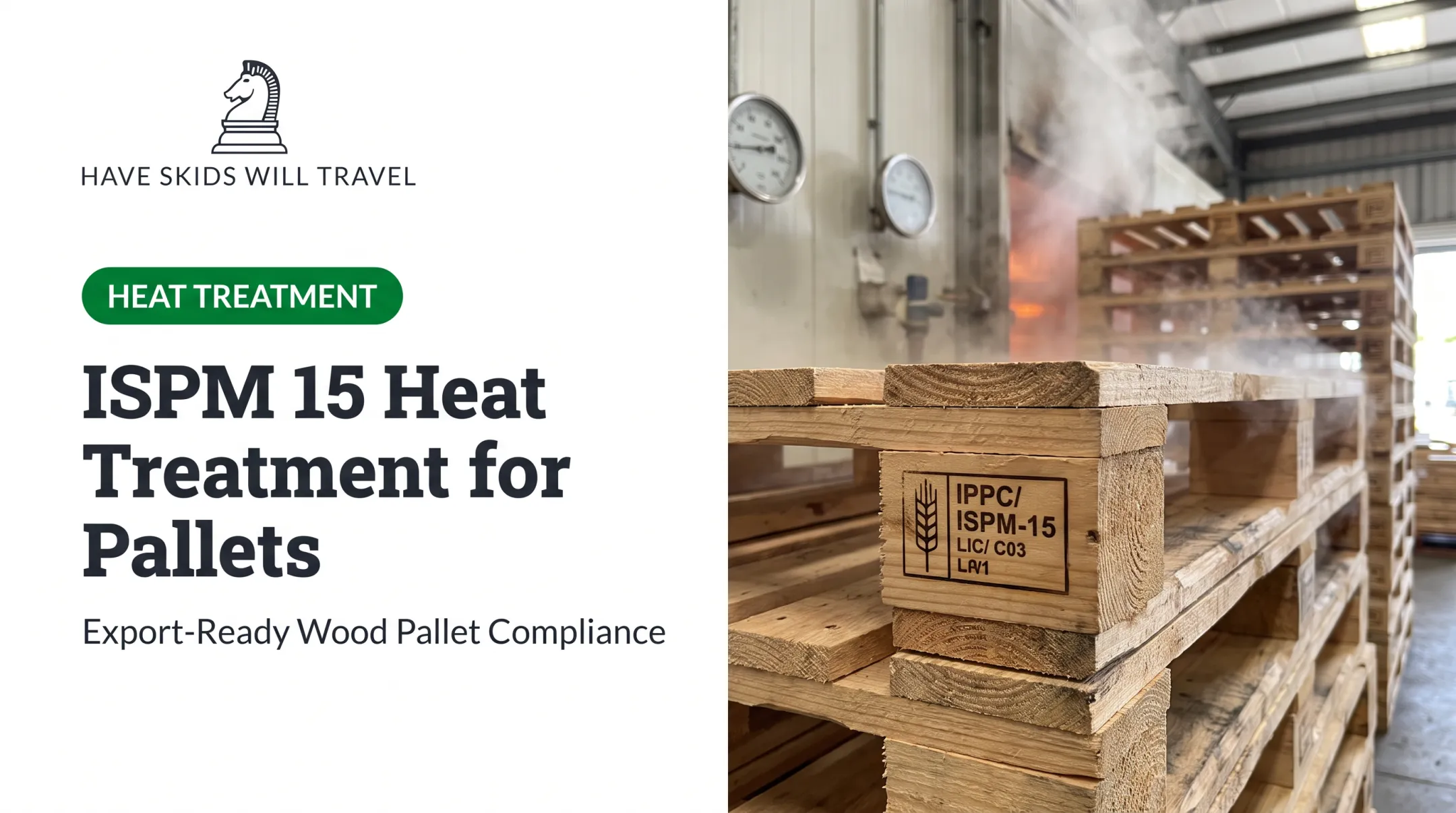
Stamps and markings can identify treatment type, inspection status, ownership, or manufacturer. An ISPM-15 mark, for example, includes the IPPC logo, country code, facility code, and treatment type such as HT. Verify unfamiliar codes with your supplier.
What pallets are food safe?
Food safety depends on cleanliness and sanitation practices, not pallet grade or heat treatment alone. Look for pallets managed under documented inspection and sanitation procedures, such as food-grade washed options.
What type of pallets are worth money?
Value depends on condition, size, construction, and local market demand. Clean, structurally sound, standard-dimension pallets generally hold broader resale and reuse value than damaged or contaminated ones.