
Most shippers focus on the outside of the box. The real risk often starts inside it.
This guide breaks down the materials, techniques, and carrier decisions that actually prevent glass breakage — from bubble wrap and box selection to when a standard cardboard box simply isn't enough.
Key Takeaways
- Use double-walled boxes sized correctly, with 2-3 inches of cushioning on every side
- Wrap each glass item individually and eliminate any space where it could shift
- Double-box high-value, long-distance, or international shipments for extra protection
- Switch to custom wood crates for large, heavy, or oversized glass items
- Match your carrier and insurance coverage to the shipment's actual value and distance
Packing Guidelines for Shipping Glass Safely
Safe glass shipping comes down to three things working together: the right materials, correct technique, and the right carrier for the job. Skip any one of these, and you've built a weak link into the whole chain.
There are two distinct risks to manage:
- External impact: drops, crushing under other freight, rough forklift handling
- Internal movement: glass shifting inside the box and colliding with walls or other items
Not all glass ships the same way. A case of bottles behaves differently than a framed mirror or a glass panel embedded in equipment.
- Bottles need void-fill and separation
- Panels and sheets need rigid support so they cannot flex or bow
- Heavier or irregular glass often needs structural bracing that cardboard cannot provide
Packing glass safely depends on the full system. Preparation, cushioning, sealing, and labeling all have to work together. Miss one, and the rest doesn't matter.
Choosing the Right Packaging Materials and Box Type
Box Strength Matters More Than Box Size
Standard single-wall boxes crush under stacking pressure. For glass, double-walled or triple-walled corrugated boxes hold up far better against crushing and impact loads. The stronger the board's edgewise compressive strength, the better it resists collapsing when other freight is stacked on top.
Cushioning Materials That Actually Work
Common options include:
- Bubble wrap (best for irregular shapes and necks/handles)
- Foam sheets or foam-in-place inserts
- Packing paper for void-fill
- Packing peanuts or air pillows
- Cardboard dividers for multi-item shipments
The Double-Boxing Method
Both UPS and FedEx publish guidance recommending this approach for fragile items:
- Wrap and cushion the item, then place it in a snug inner box
- Set that inner box inside a larger outer box
- Fill the gap between the two boxes with at least 3 inches of cushioning on all sides
- UPS specifically recommends the outer box be 6 inches larger in length, width, and depth than the inner box (UPS Packaging Tips)

Sealing tip: Reinforce seams with heavy-duty tape, but don't overdo it. Over-taping makes unboxing harder and can tempt handlers to cut corners (literally) when opening the package.
When Cardboard Isn't Enough
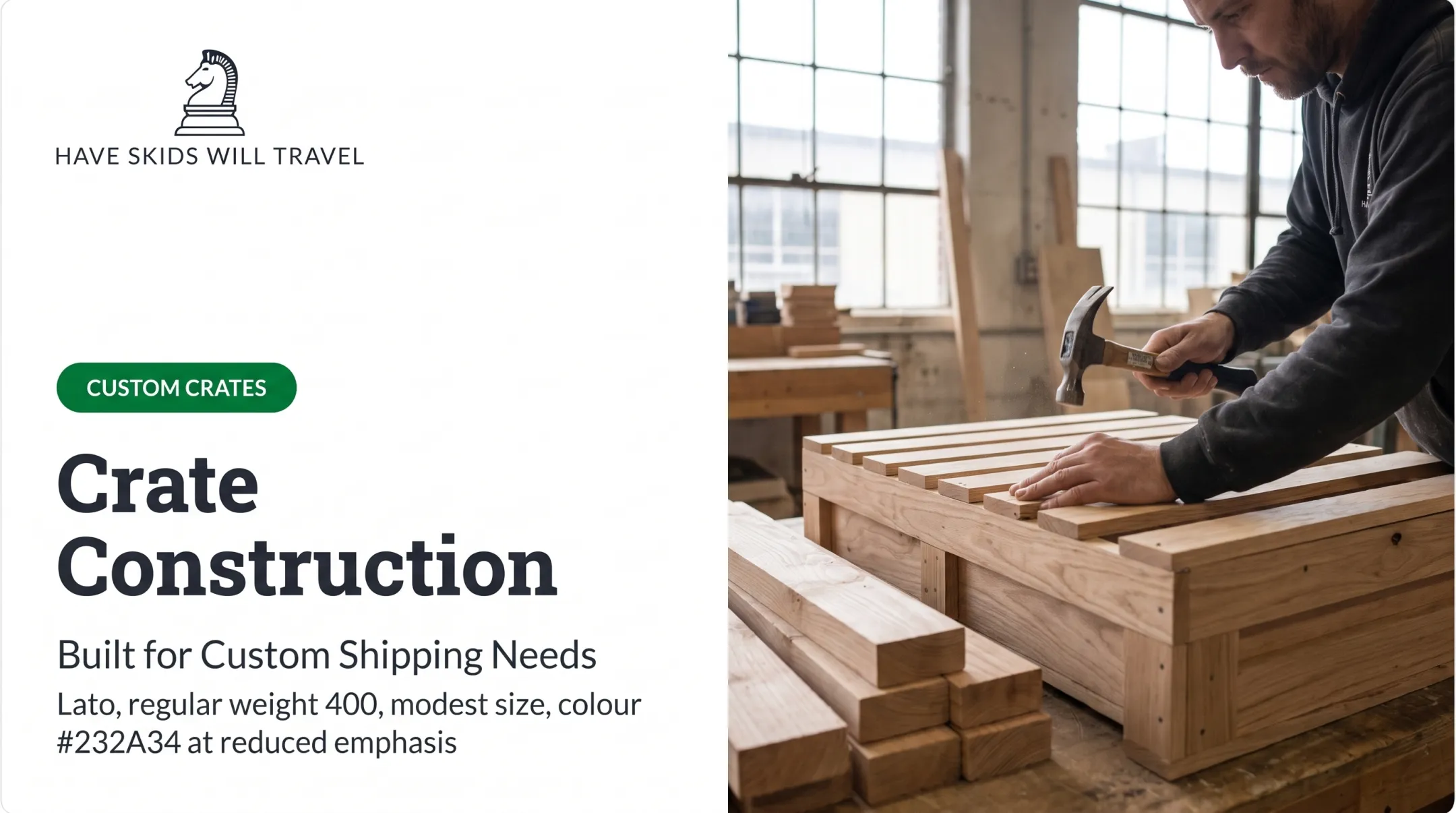
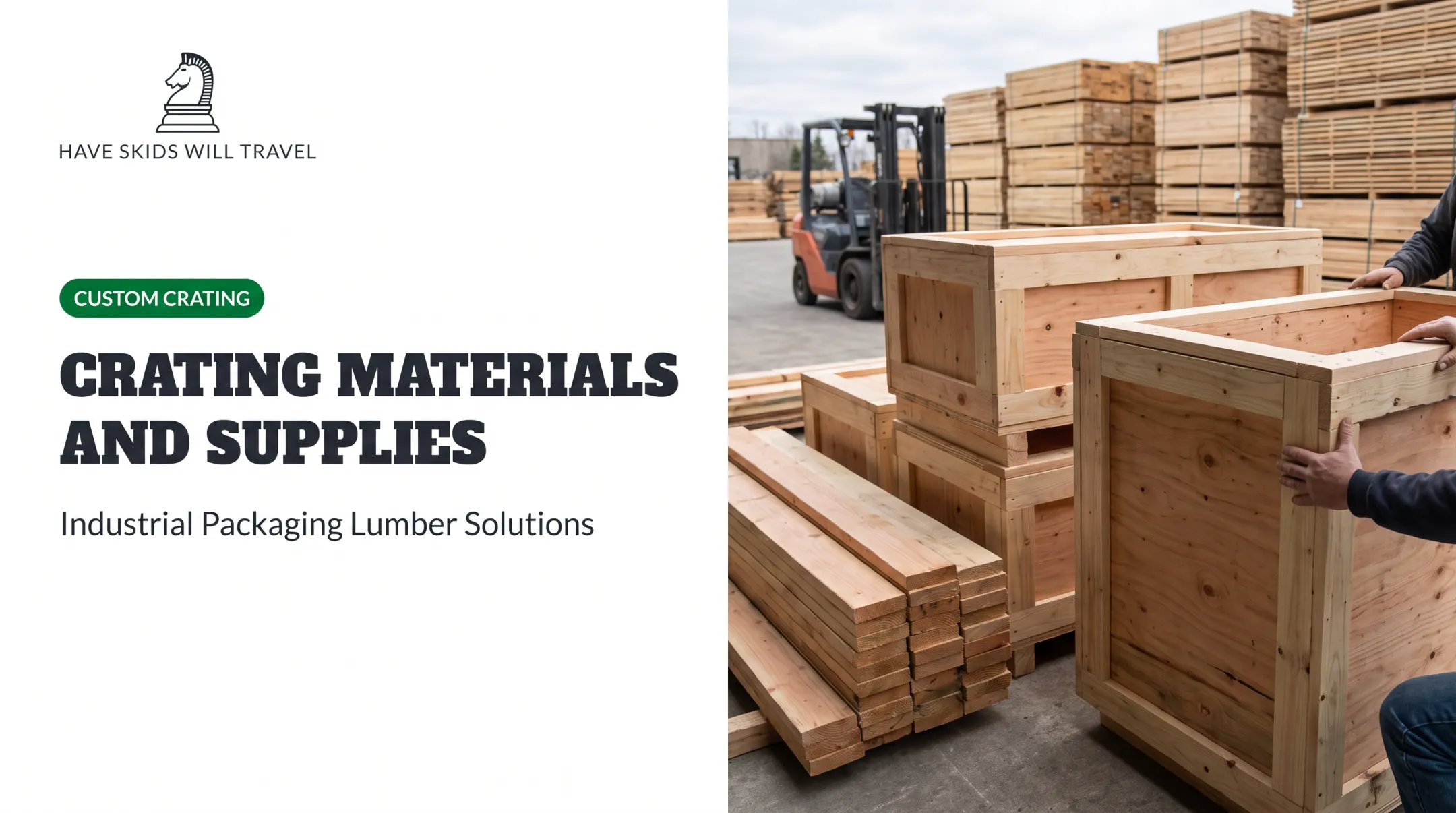
Large glass panels, mirrors, industrial glass, and heavy or oversized items often exceed what corrugated board can safely handle. Custom wood crating adds a rigid frame that keeps the load from flexing, shifting, or collapsing under weight.
Palleton builds custom crates around the item's exact dimensions, weight, and shipping requirements. Typical builds include:
- Padding and bracing at stress points
- Fit sized to the piece so it cannot shift in transit
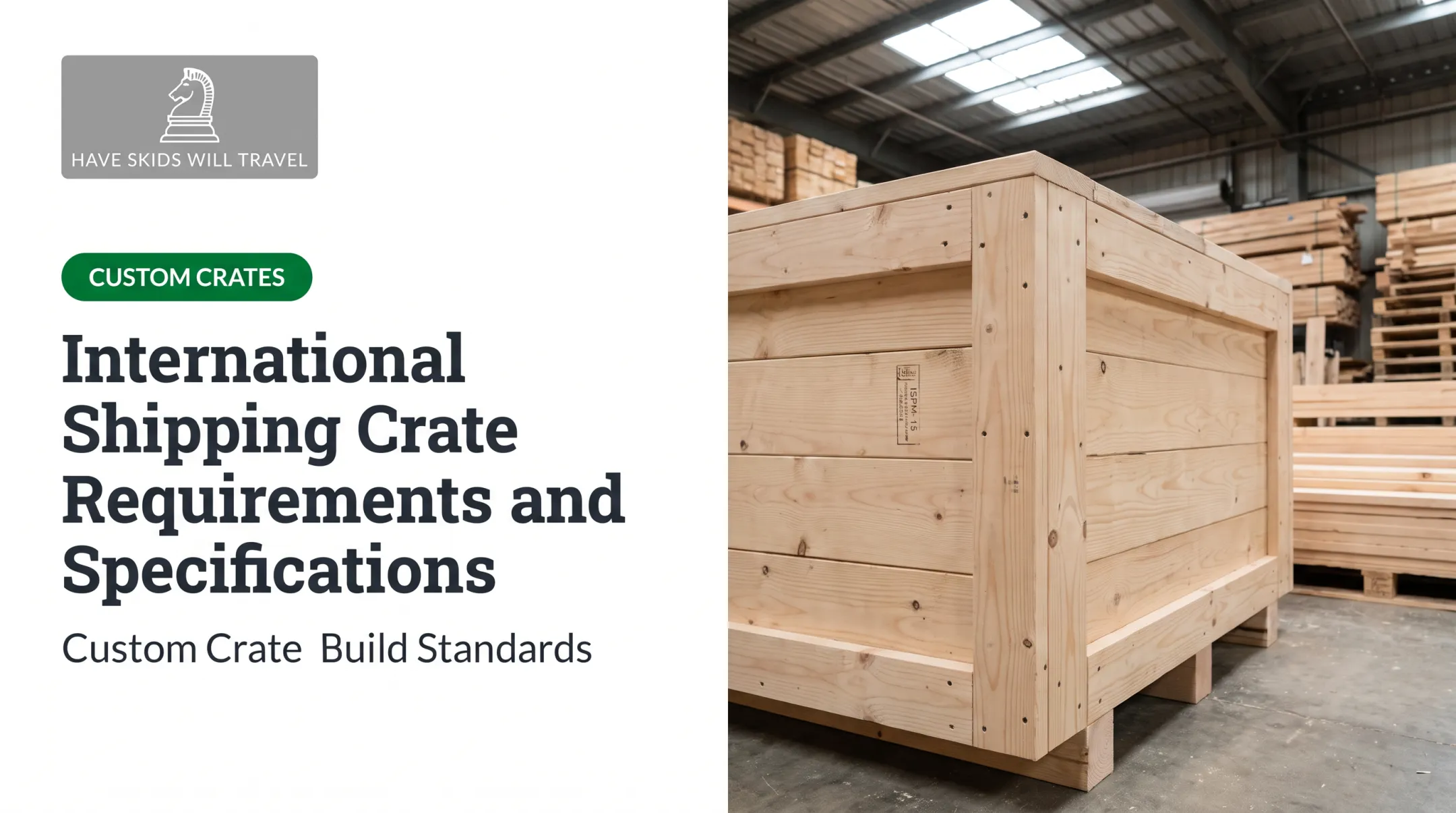
- ISPM-15 heat-treated crates for export, with the wood core heated to at least 140°F for 30 minutes (required for solid-wood packaging crossing international borders)

Step-by-Step: Wrapping, Cushioning, and Sealing Glass for Transit
Getting the technique right matters as much as the materials themselves.
- Wrap each item individually. Use bubble wrap or foam, paying extra attention to corners, necks, stems, and handles: these break first.
- Separate multiple items. Use dividers or individual compartments so glass pieces never touch each other inside the box.
- Fill every void. The item should "float" without touching any box wall. Do a shake test before sealing. If you hear or feel movement, add more cushioning.
- Seal the box securely. Use heavy-duty packing tape on every seam and edge so the carton stays closed under stack pressure or rough handling.
- Label every side. Mark "Fragile" and "This Side Up" on all sides, not just the top. For international shipments, include ISO-recognized handling pictograms.
- Label the inner box too. If the outer box gets damaged or separated, handlers still need to know what's inside.

UPS explicitly states that a "Fragile" label does not trigger special handling on its end (UPS Tariff Terms). Labels communicate; they don't protect. The cushioning and bracing do the actual work.
Choosing a Carrier, Freight Method, and Insurance
Parcel vs. Freight
- Parcel carriers (USPS, UPS, FedEx): Suitable for smaller individual glass items or small multi-item boxes
- Freight/LTL: Better suited for large panels, crated glass, or palletized bulk shipments
Choose parcel when the piece fits carrier size and weight limits; move to freight once you need a crate, pallet, or oversize panel. Weight, dimensional weight, and destination all affect cost. Exports also need extra documentation and, for wood packaging, ISPM-15 compliance certification.
Insurance and Declared Value
Even a perfectly packed glass shipment can encounter rough handling somewhere along the route. Coverage options vary by carrier:
| Carrier | Coverage Type | Notes |
|---|---|---|
| USPS | Domestic insurance up to $5,000 | Subject to USPS terms and actual value |
| UPS | Declared value, up to $50,000/package | Excludes damage from inadequate packaging |
| FedEx | Declared value (not insurance) | $100 baseline liability unless declared |

Declared value is not guaranteed replacement. Carriers routinely deny claims tied to inadequate packaging, so the pack-out has to support the coverage you buy.
For palletized or crated glass freight, an experienced crating partner helps build and size the load for the method you chose. That fit protects the glass in transit and strengthens a claim if damage still occurs.
Common Packing Mistakes to Avoid
- Reusing damaged or ill-fitting boxes — a crushed box has already lost the strength to protect glass again
- Skimping on cushioning — empty voids let items shift, and shifting is what cracks glass in transit
- Skipping double-boxing or dividers — one impact can slam multiple pieces into each other
- Relying on a "Fragile" label — UPS terms are clear: markings don't guarantee care; only solid packaging does
Each mistake ends the same way: breakage and a claim. Your customer waits on a replacement instead of using what they ordered.
Conclusion
Safe glass shipping depends on sturdy materials, careful technique, and the right carrier for the shipment's size and value. If you ship glass regularly, treat packing as a repeatable system rather than something you figure out box by box. That consistency keeps breakage rates down and customers coming back.
Frequently Asked Questions
What is the best way to ship glass?
Wrap each item individually, use a double-boxing method with at least 3 inches of cushioning, and choose a box or crate sturdy enough for the item's weight and size. Fill all voids so nothing can shift in transit.
Can you ship glass in the mail?
Yes. USPS, UPS, and FedEx all accept properly packed glass items. Insurance is recommended since even well-packed glass isn't immune to rough handling during transit.
What shipping class is glass?
Freight classification for glass depends on the specific item's density, packaging, and handling requirements, not a single universal class. Check the current NMFC entry for your exact commodity before shipping.
How much cushioning space do I need around glass items?
Carrier guidelines recommend at least 3 inches of cushioning on all sides of the inner box for double-boxed fragile shipments. More cushioning is better for heavier or higher-value items.
Do I need a custom crate to ship glass?
Not always. Large, heavy, or high-value glass items often benefit from custom wood crating, which provides structural support that standard cardboard boxes can't match.
Is double-boxing necessary for all glass shipments?
Double-boxing isn't mandatory for every glass shipment. Reserve it for long-distance, international, or high-value items where the extra protection matters most.